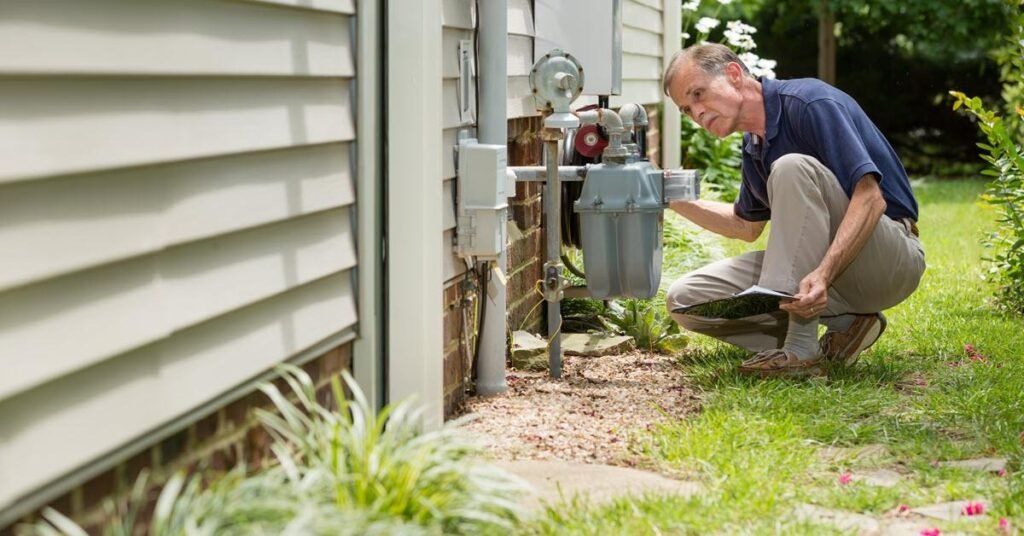
A home detective is a professional who looks beyond surface appearances to uncover the true condition and value of a property. Unlike a standard visual inspection, this role involves analytical thinking, attention to detail, and investigative methods to identify hidden issues that may affect a property’s safety, functionality, or long-term investment potential. From examining structural integrity to reviewing documentation and past modifications, the home detective approach ensures buyers, sellers, and investors gain a realistic picture of what they are dealing with. This role has become increasingly important as modern properties grow more complex, combining advanced materials, smart systems, and layered renovation histories that require deeper evaluation.
Investigating Structural and Physical Integrity
One of the most critical responsibilities in property evaluation is assessing structural soundness. A home detective carefully examines foundations, walls, roofing, and load-bearing elements to detect signs of wear, damage, or poor construction practices. Small cracks, uneven flooring, or moisture marks can point to larger structural concerns if left unnoticed. This investigative process often includes analyzing building materials, age-related deterioration, and environmental factors such as soil conditions or weather exposure. By identifying these issues early, property stakeholders can avoid costly repairs and ensure that a building is safe, durable, and suitable for long-term use.
Analyzing Systems and Hidden Components
Modern properties rely heavily on internal systems such as electrical wiring, plumbing, heating, and ventilation. A home detective evaluates these components to ensure they meet safety standards and function efficiently. Faulty wiring, outdated plumbing, or poorly installed HVAC systems can pose risks and significantly impact property value. This analysis often goes beyond visible elements, considering how systems interact and whether previous upgrades were completed correctly. Through careful investigation, the evaluator helps clients understand potential maintenance costs, energy efficiency concerns, and compliance with current regulations, allowing for more informed financial and practical decisions.
Evaluating Documentation and Property History
Property evaluation is not limited to physical inspection; documentation plays an equally important role. A home detective reviews permits, renovation records, ownership history, and compliance certificates to verify that all changes were legally approved and properly executed. Inconsistencies in paperwork can signal unreported modifications or unresolved legal issues that may complicate transactions. Understanding a property’s history also provides insight into recurring problems or patterns of neglect. This thorough review protects buyers and investors from unexpected liabilities while giving sellers clarity on how documentation can influence credibility and market appeal.
Supporting Informed Decision-Making
The ultimate goal of a home detective in property evaluations is to empower clients with clear, reliable information. Whether assisting a buyer considering a major purchase, a seller preparing for market, or an investor assessing potential returns, the insights provided support confident decision-making. By combining physical inspection, system analysis, and document review, the evaluation creates a balanced understanding of risks and opportunities. The role of a Home Detective goes beyond finding problems; it helps stakeholders plan strategically, negotiate effectively, and invest wisely. As real estate markets become more competitive, this investigative approach continues to add significant value to property evaluations.